Crusher Side Liners Built for Lasting Protection
More wear life. Less maintenance.
AMCAST side liners are engineered to protect crusher housings and critical wear surfaces in demanding aggregate, asphalt, and recycling applications. Manufactured from premium wear-resistant materials, our side liners help extend crusher life, reduce maintenance requirements, and keep production moving.
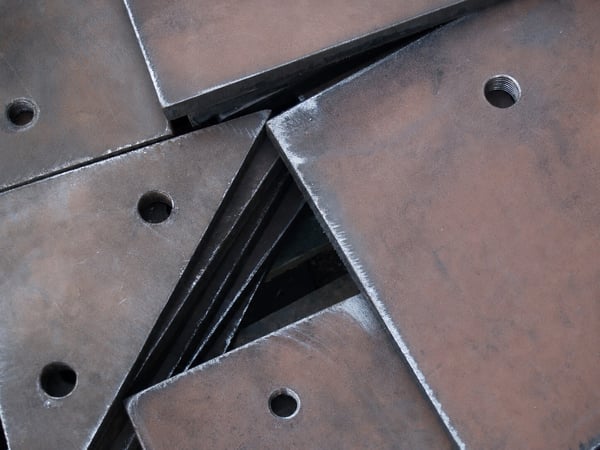
Available in through-hardened steel, 500 BHN wear plate, and high chrome white iron for asphalt applications, AMCAST side liners can be matched to the specific wear conditions of your operation. Whether the priority is abrasion resistance, service life, or cost-effective protection, we offer solutions designed to maximize performance.
With application-specific material selection and precision manufacturing, AMCAST side liners help reduce wear-related downtime, protect valuable crusher components, and lower overall operating costs.
Trusted by Operations Across:
Aggregate
Recycling
Asphalt
Construction
Demolition
Why Material Selection Matters
Not all side liners wear the same way. Feed material, abrasion levels, moisture content, crusher design, and operating conditions all influence how quickly side liners wear and how effectively they protect the machine. Selecting the proper material can significantly increase service life, reduce maintenance requirements, and lower overall operating costs.
AMCAST offers side liners in multiple material options, allowing customers to match the wear solution to the application rather than forcing every crusher to use the same material.
-
Through-Hardened Steel vs. 500 BHN Wear Plate
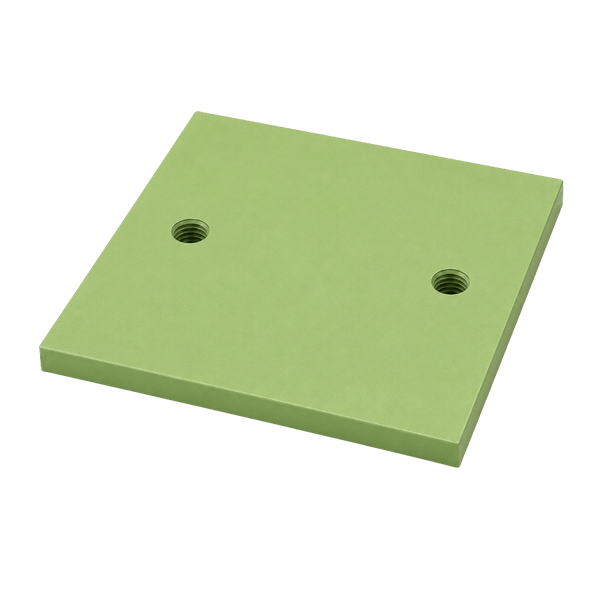
While both materials are commonly used for side liner applications, each offers distinct advantages. The industry standard, through-hardened steel typically is suitable for many general aggregate and recycling applications, while 500 BHN wear plate delivers extreme value and performance in more demanding environments.
Selecting the right option depends on factors such as feed material, wear rates, maintenance schedules, and desired liner life. AMCAST works with customers to identify the best balance between performance and cost.
-
Matching the Material to the Application
There is no universal "best" side liner material. The ideal solution depends on the material being processed, moisture content, feed characteristics, operating conditions, and maintenance objectives.
A liner that performs exceptionally well in an asphalt recycling application may not be the best choice for a concrete recycler or aggregate producer. By evaluating the wear environment and operating goals, AMCAST helps customers select the material and design best suited for their operation, maximizing wear life while minimizing cost per ton.
-
When High Chrome Makes Sense
High chrome white iron side liners are typically reserved for applications where abrasion is the dominant wear mechanism and impact forces are relatively low. Asphalt recycling applications are a common example, where highly abrasive material can rapidly wear traditional steel liners.
In the right environment, high chrome side liners can significantly outperform steel alternatives, delivering longer wear life and reducing the frequency of liner replacements. However, like any material, they must be properly matched to the application to achieve optimal results.
Protecting Your Crusher From the Inside Out
Side liners are designed to protect the crusher's structural frame from the constant abrasion and impact generated during the crushing process. While often overlooked, they serve as a critical barrier between the material being processed and the machine itself.
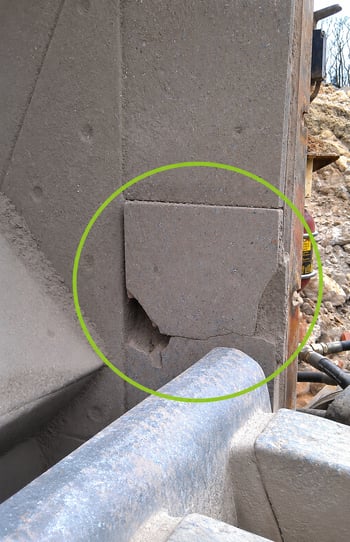
When side liners are allowed to wear beyond their service life, abrasive material can begin attacking the crusher housing and frame beneath them. What starts as normal wear can quickly turn into excessive frame loss, holes in the housing, and costly welding and repair work that far exceeds the cost of replacing wear parts on schedule.
Excessive side liner wear can also compromise the liner's mounting system. As material wears away around the bolt heads and mounting surfaces, liners can become loose or detach entirely. In severe cases, a dislodged side liner can enter the crushing chamber, contact rotating blow bars, and cause significant damage to both wear parts and crusher components.
Properly selected and maintained side liners help protect the crusher structure, prevent catastrophic failures, reduce maintenance costs, and keep production running safely and efficiently.
Frequently Asked Questions
Here you can find some of the most common questions we receive.
-
How do I know when side liners need to be replaced?
Side liners should be replaced before wear reaches the crusher housing or compromises the mounting surfaces and bolt hole effectiveness. Excessive wear can expose structural components, increase repair costs, and create the potential for liner movement or failure.
-
What materials are side liners available in?
AMCAST offers side liners in through-hardened steel, 500 BHN wear plate, and high chrome white iron for certain asphalt or secondary/ tertiary impact applications. The optimal material depends on the application's abrasion levels, impact conditions, and maintenance objectives.
-
Can worn side liners damage my crusher?
Yes. Side liners are designed to be sacrificial wear components that protect the crusher frame. If left in service too long, abrasive material can wear into the crusher housing, eventually leading to holes, structural repairs, and costly downtime. Additionally, side liners left in too long can fail around the bolt holes, causing the liner to drop into the crusher and create downstream damage to the blow bars, rotor, and other components.
-
Why do some side liners wear faster than others?
Side liner life is influenced by several factors, including feed material, moisture content, chamber loading, crusher settings, and material selection. Uneven feed distribution, heavy fines, and highly abrasive applications can significantly accelerate wear.
-
Can a loose or failed side liner damage other wear parts?
Yes. Severely worn side liners can lose material around the mounting bolts, allowing them to loosen or detach. In some cases, a dislodged liner can enter the crushing chamber and contact rotating components, potentially causing significant damage to blow bars and other crusher parts.
Get Crushing Today!
Submit an online request for quote and we will get back to you ASAP!