Breaker Plates That Stand Up to Impact
More protection. Less downtime.
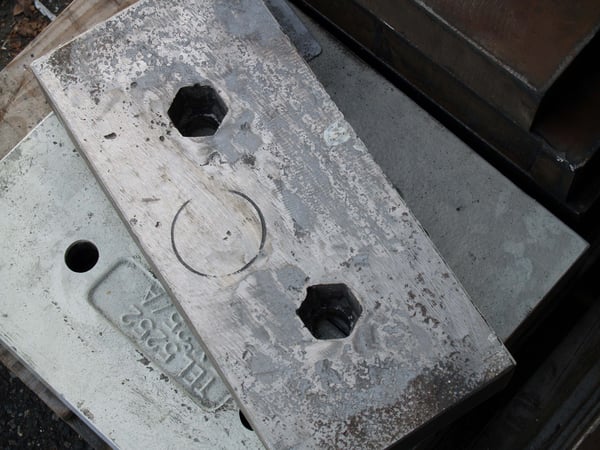
AMCAST doesn't just manufacture industry-leading blow bars. We also engineer and supply high-performance breaker plates designed for the demanding conditions found in aggregate, asphalt, and recycling applications.
Available in manganese steel, martensitic low chrome, chrome white irons, and fabricated 500 BHN wear plate options, our breaker plates can be tailored to your specific application. Select cast configurations are also available with patented WRI™ and MasterCeramic™ insert technologies for enhanced wear life and performance.
With advanced metallurgy and application-specific material selection, AMCAST breaker plates help extend wear life, improve crusher performance, and reduce operating costs.
Trusted by Operations Across:
Aggregate
Recycling
Asphalt
Construction
Demolition
Not All Breaker Plates Are Created Equal
While breaker plates are often viewed as simple wear components, their performance can have a significant impact on crusher maintenance, chamber geometry, and overall production efficiency.
Quality breaker plates help protect critical crusher components, including apron weldments and the lower lip of hybrid cast monoblock aprons, reducing the risk of costly repairs and unplanned downtime. Because they maintain their profile longer, operators spend less time making CSS adjustments to compensate for wear and more time producing material.
Consistent breaker plate geometry also helps maintain a more consistent crushing chamber, resulting in improved product gradation and predictable crusher performance throughout the life of the wear parts.
At AMCAST, breaker plates are available in manganese steel, martensitic low chrome, chrome white iron, and premium 500 BHN wear plate options. Select cast configurations can also be enhanced with patented WRI™ and MasterCeramic™ technologies for increased wear life in abrasive applications.
Why Breaker Plates Matter
Breaker plates play a critical role in crusher performance, influencing reduction ratios, product gradation, throughput, and wear life. Selecting the proper material and design can significantly reduce maintenance downtime while improving overall crusher efficiency.
-
Reducing Maintenance and CSS Adjustments
As breaker plates wear, the crusher's chamber geometry changes, often requiring operators to make frequent adjustments to the closed side setting (CSS) to maintain production targets. High-quality breaker plates maintain their profile longer, reducing adjustment frequency, minimizing maintenance downtime, and helping operators spend more time producing material and less time servicing equipment.
-
Maintaining Consistent Product Gradation
Consistent chamber geometry is critical to producing a consistent end product. When breaker plates wear unevenly or prematurely, product size distribution can become unpredictable, resulting in excessive recirculation, off-spec material, and reduced efficiency. Durable breaker plates help maintain the intended crushing chamber design, supporting more consistent gradation, improved throughput, and better overall crusher performance.
-
Protecting Critical Crusher Components
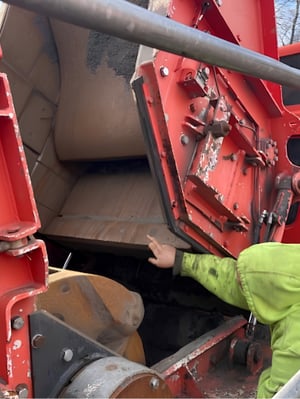
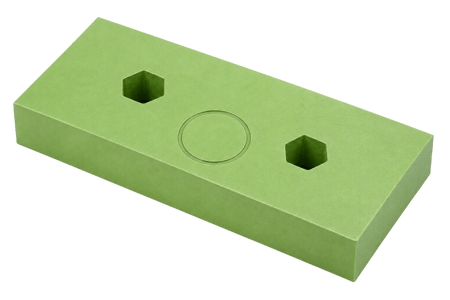
Breaker plates serve as the first line of defense for your impact crusher's apron assemblies. Quality breaker plates help shield apron weldments and the lower lip of hybrid cast monoblock aprons from excessive wear and damage. By absorbing the wear where it belongs, properly engineered breaker plates can help extend the life of expensive structural components and reduce costly repair work.
Frequently Asked Questions
Here you can find some of the most common questions we receive.
-
Why Do My Breaker Plates Wear Unevenly?
Uneven wear can result from improper feed distribution, high amounts of fines, excessive moisture, and simply by choosing a breaker plate material option that is not optimized for the application. Understanding wear patterns can provide valuable insight into crusher performance and opportunities for improvement.
-
How Do I Know When My Breaker Plates Need To Be Replaced?
Common signs include excessive wear, loss of chamber geometry, increased maintenance requirements, difficulty maintaining CSS settings, reduced throughput, and inconsistent product gradation. Regular inspections can help identify wear before it impacts crusher performance.
-
What Material Is Best For My Breaker Plate Application?
The ideal material depends on the feed material, abrasion levels, impact forces, and production goals. AMCAST offers breaker plates in manganese steel, martensitic low chrome, chrome white iron, and premium 500 BHN wear plate, along with WRI™ and MasterCeramic™ enhanced options for select applications .
-
Can Breaker Plates Affect Product Gradation?
Yes. As breaker plates wear, the crushing chamber geometry changes, which can impact reduction ratios and product size distribution. High-quality breaker plates that maintain their profile longer help produce more consistent gradation and reduce the need for frequent crusher adjustments.
-
Are Ceramic Insert Breaker Plates Worth It?
In highly abrasive applications, WRI™ and MasterCeramic™ technologies can significantly increase breaker plate wear life by protecting critical wear zones. While not every application requires ceramic-enhanced wear parts, they can help reduce maintenance frequency, increase uptime, and lower cost per ton when properly matched to the application. .
Get Crushing Today!
Submit an online request for quote and we will get back to you ASAP!