3 min read

Maintaining Your Mobile Rock Crusher: A Practical Guide to Longer Wear Life

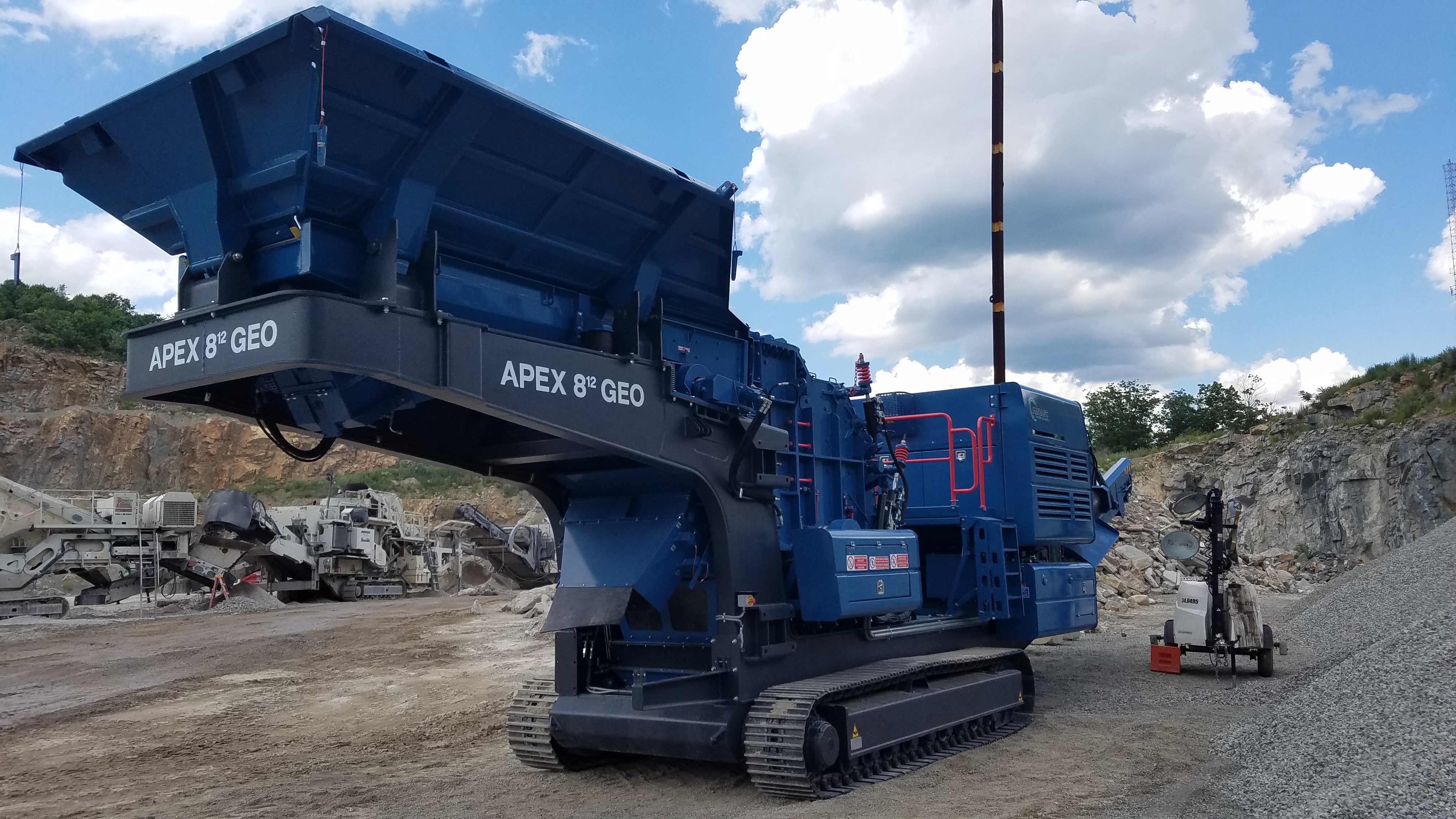
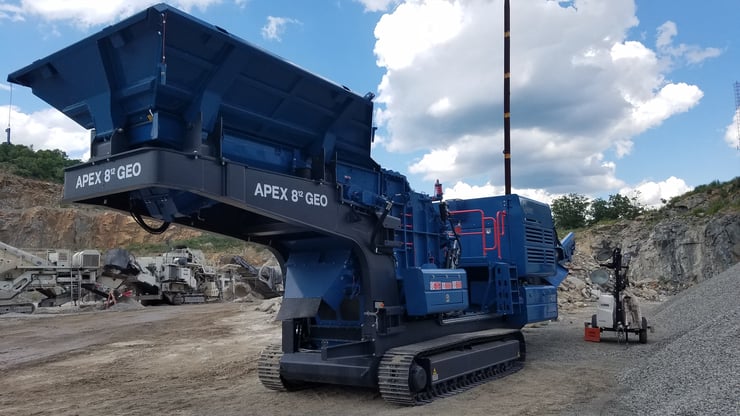
20150909_182504-768x432-733069-edited.jpg

20170627_150030

A mobile rock crusher only earns money while it is running. The operations that get the most tons out of every set of wear parts are rarely the ones with the most expensive castings. They are the ones that set the machine up correctly, feed it well, and inspect it every day. This guide covers the maintenance habits that protect your crusher and your wear parts investment, whether you run a jaw, impact, or cone crusher.

1. Start with the Setup

Good maintenance begins before the first ton is crushed.

  • Set the machine level. A crusher that is not level loads the feeder, screens, conveyors, and crushing chamber unevenly. That costs you production and screening efficiency and wears components faster.

  • Check the ground. Soft or wet ground and rotten cribbing let the machine shift and settle during operation, which shows up as vibration and uneven wear.

  • Watch for vibration. Excessive vibration is often the first sign of a rotor balance, bearing, or setup problem.

Our site evaluation and rotor condition checklist walks through these checks step by step.

2. Feed the Crusher Correctly

The way a crusher is fed has more effect on wear life than almost anything else the operator controls.

  • Keep the feed steady and spread across the chamber. Feed concentrated on one side wears the liners and blow bars unevenly and shortens their usable life.

  • Control feed size. Oversize material causes blockages, bridging, and impact damage. Feeding with an excavator lets the operator see and select what goes into the hopper. A loader is faster but gives less control over size and contaminants.

  • Remove fines before the crusher. Fines act as an abrasive and grind away at wear surfaces without contributing to production. Use the grizzly or prescreen to take them out.

  • Watch for tramp metal. Rebar, bucket teeth, and other uncrushables can crack castings, especially brittle high chrome alloys. Keep magnets and metal detection in good working order.

3. Keep Dust Under Control

Hard rock and dry conditions produce more vibration, more wear, and more dust than softer aggregates. Dust is one of the biggest threats to the machine's power unit and electronics.

  • Radiator and cooling: A radiator packed with dust leads to engine overheating. Clean it on a regular schedule, and more often in dusty conditions.

  • Air filters: Check and service air filters more frequently in high-dust applications to keep dust out of the engine.

  • Fuel system: Keep the fuel cap, tank area, and fueling equipment clean to prevent contamination.

  • Electrical components: Keep control panels closed and sealed to protect circuit boards and programmable controllers.

  • Conveyors and walkways: Maintain the conveyor skirting and sealing rubbers, and use dust suppression where possible.

4. Inspect Every Day

Small problems become expensive ones quickly on a crusher. A short daily walk-around catches most of them early.

  • Check grease points and lubrication levels.

  • Look for loose bolts, wedges, and clamping hardware.

  • Inspect belts, rollers, and conveyor skirting.

  • Look into the crushing chamber for cracked, loose, or unevenly worn wear parts.

  • Note any change in sound, vibration, power draw, or product size.

5. Know Your Wear Parts

The crushing chamber is where most of your wear cost sits. Which parts take the most wear depends on the crusher type.

Jaw Crushers

Jaw dies and side liners (cheek plates) do the work. Rotate or flip jaw dies when the wear pattern allows it to get the most life from each set, and replace the side liners before they wear through and expose the frame.

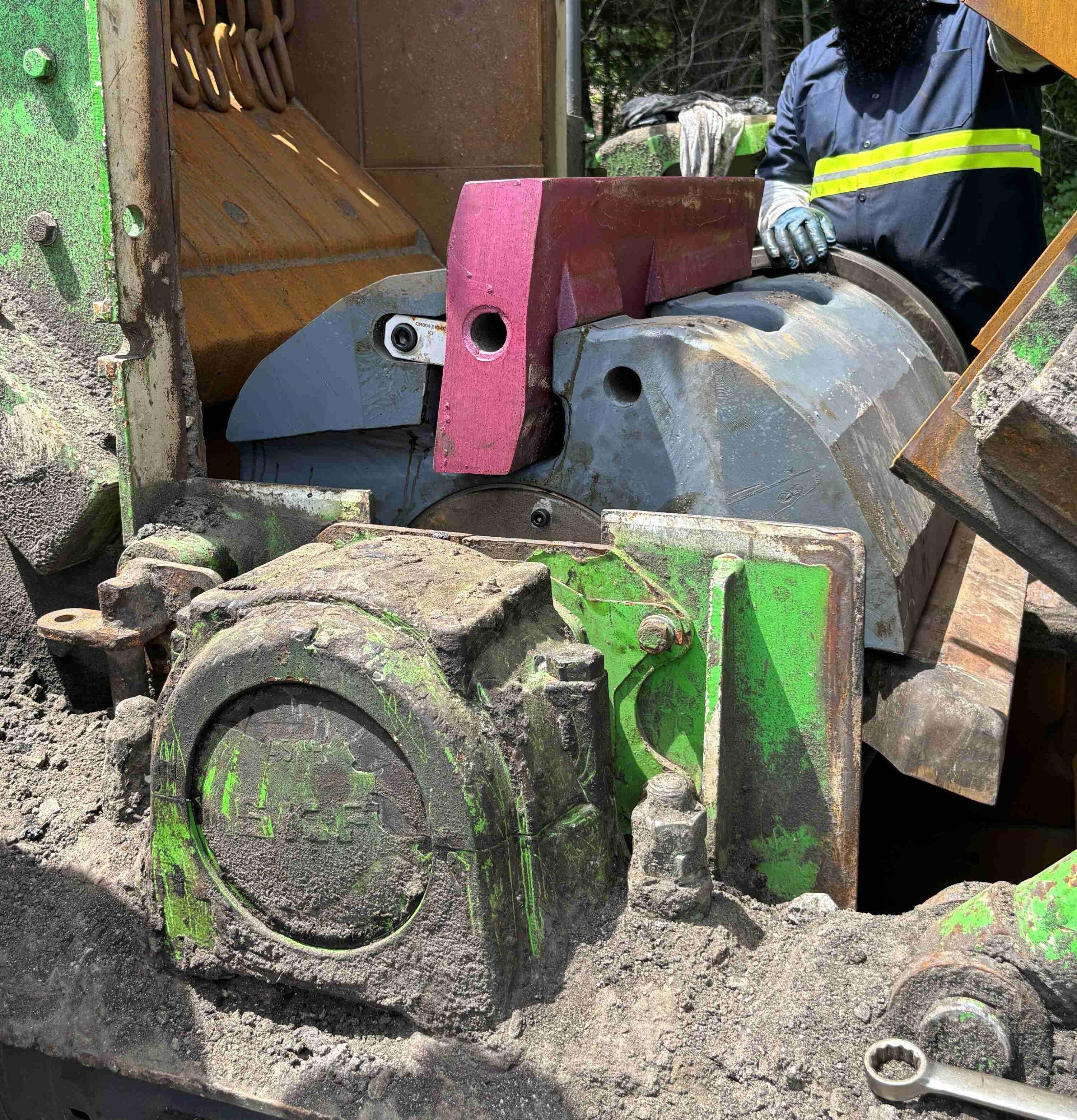
Impact Crushers

Blow bars take most of the wear, followed by apron liners and breaker plates, side liners, and hood liners. Keep blow bars matched in weight and alloy, check wedge tightness a few hours after installing new bars, and adjust the apron settings as the breaker plates wear. If bars are cracking, see why impact crusher blow bars break.

Cone Crushers

The mantle and bowl liner wear together. Keep the chamber choke fed, monitor the closed side setting as the liners wear, and replace both before the liners get thin enough to risk damage to the head or bowl.

6. Match the Alloy to the Application

Even a well-maintained crusher will go through wear parts quickly if the alloy does not suit the material. Feed size, abrasiveness, and tramp metal all determine whether a tougher or a harder alloy will last longer. For impact crushers, our guide to martensitic vs. high chrome blow bars explains how to make that choice, including when Ceramax™ or MasterCeramic™ ceramic inserts make sense.

7. Track the Results

Record the date, hours, and tons processed for every wear part change. Over time, that record shows your real cost per ton and makes it clear whether a change in alloy, setup, or feeding practice is paying off.

Get an Expert Opinion

AMCAST field representatives can evaluate your crusher, feed material, and wear patterns on site, then recommend the right wear parts and alloys for your application.

Get a Wear Parts Quote

Martensitic vs. High Chrome Blow Bars: How to Choose in 2026

Martensitic vs. High Chrome Blow Bars: How to Choose in 2026

Learn how to choose between low chrome martensitic and chrome white iron blow bars for impact crushers in aggregate, asphalt, and recycling...

Read More
Primary Crushing with Mobile Impact Crushers: Setup, Feed & Wear Parts

Primary Crushing with Mobile Impact Crushers: Setup, Feed & Wear Parts

When a mobile impact crusher fits primary crushing, how to set up feed and prescreening, and which blow bar alloys hold up to large feed and tramp...

Read More
Impact Crusher Site Evaluation and Rotor Condition Checklist

Impact Crusher Site Evaluation and Rotor Condition Checklist

A field checklist for impact crusher setup, rotor condition, and blow bar matching to cut vibration, prevent breakage, and get more life from wear...

Read More