Maintaining Your Mobile Rock Crusher: A Practical Guide to Longer Wear Life
A practical mobile crusher maintenance guide: setup, feeding, dust control, daily inspections and wear part care for jaw, impact and cone crushers.
3 min read
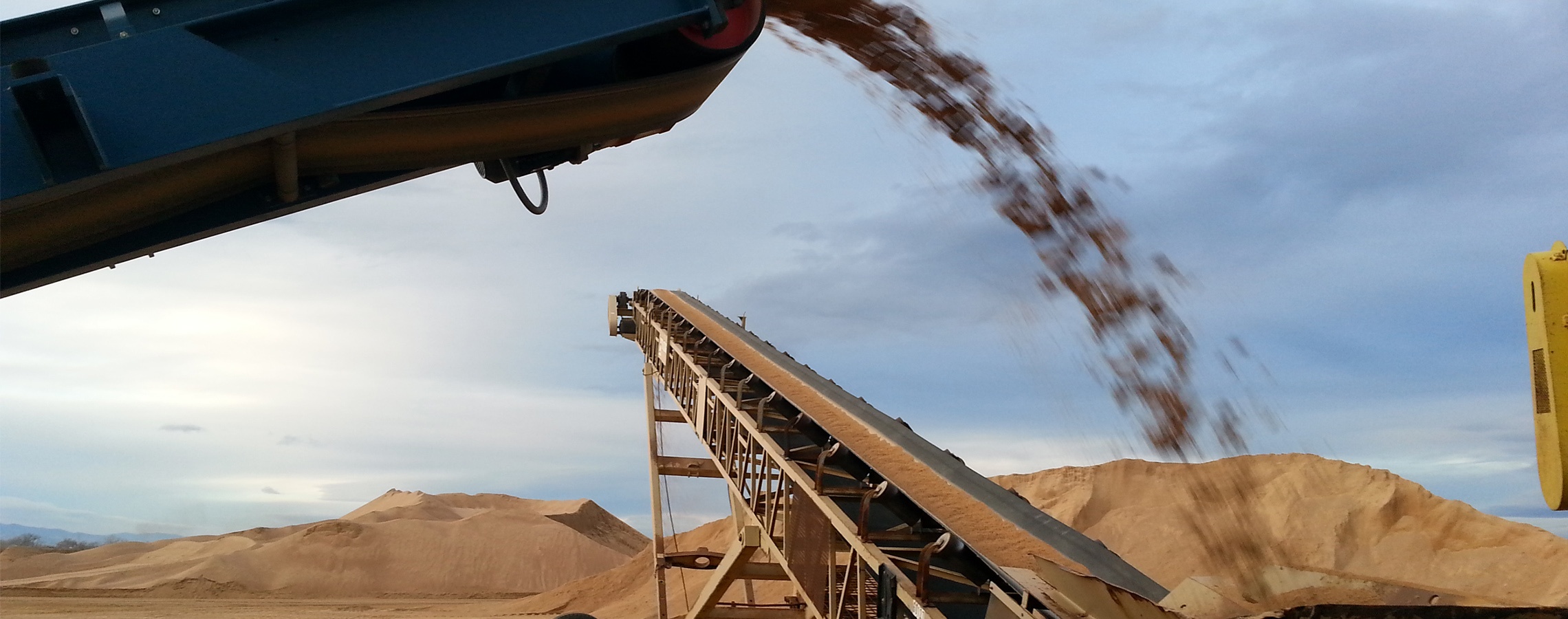
Mobile horizontal shaft impact (HSI) crushers are a popular choice for primary crushing in recycling, demolition, and many aggregate operations. One machine can take material straight from the pile and turn out a well-shaped, specification-grade product. Primary duty is also the hardest work an impactor does. Large feed, tramp metal, and high impact loads put the rotor and wear parts under constant stress. This guide covers when a mobile impactor is the right primary crusher, how to set it up for steady production, and how to choose wear parts that hold up.
Unlike a jaw or cone crusher, which squeezes rock under compression, an impact crusher breaks material by striking it. A fast-spinning rotor fitted with blow bars throws the feed against apron liners (breaker plates). The material shatters, falls back into the path of the rotor, and is struck again until it is small enough to pass through the gap between the rotor and the aprons.
Because the rock breaks along its natural weak points, impactors produce a more cubical product than compression crushers. That makes them well suited to producing base material and recycled concrete and asphalt aggregate.
A mobile impactor is a strong primary option when:
You are processing recycled concrete, asphalt, or demolition debris. Impactors break concrete away from rebar and liberate it well, and the product shape is good.
You want a finished product from a single machine, often with an onboard screen and return conveyor.
You move between sites and need fast setup with a compact footprint.
In very hard, highly abrasive rock such as granite or some basalts, a jaw crusher is sometimes the more economical primary crusher. In that rock, impactor wear costs per ton can climb quickly.
Most mobile impactors are designed so material flows freely through the plant. Each stage, from the hopper and feeder to the crusher and discharge, is wide enough to avoid choke points. You get the most out of that design by keeping the feed steady.
Feed evenly across the full width of the rotor. Feed concentrated on one side wears the blow bars and aprons unevenly and shortens their life.
Avoid surges and stop-starts. Adjust the feeder speed to the crusher load so the chamber stays consistently loaded.
Control the top size. Oversize slabs cause bridging and heavy impact loads. Break or remove oversize before it reaches the hopper.
Set the machine level on firm ground. A machine that is out of level loads the feeder, screens, and conveyors unevenly.
Using the grizzly or prescreen to remove dirt and fines before the crusher is one of the most effective ways to improve primary impact crushing.
Fines bypass the chamber instead of taking up capacity.
Less abrasive material passes over the blow bars and liners, so they last longer.
Removing dirt and contaminants early produces a cleaner product.
Fuel consumption per ton drops because the crusher only works on material that needs crushing.
Rotor speed: Higher speeds produce a finer product but increase wear and impact loads. In primary duty, a lower speed often gives the best balance of wear life and product.
Apron settings: Adjust the apron gaps as the breaker plates and blow bars wear to keep the product size consistent and avoid recirculating material.
Tramp metal protection: Keep the overband magnet and the crusher's overload protection working. Uncrushables are the leading cause of broken blow bars in primary recycling.
Large feed and tramp metal call for toughness first. Low chrome martensitic blow bars absorb heavy impacts without cracking, which makes them the standard choice for primary recycling and large-feed applications. When the feed is more abrasive, ceramic inserts extend wear life while the martensitic base handles impact loads:
Ceramax™ inserts balance wear resistance and toughness for variable feed and applications where tramp iron is likely.
MasterCeramic™ inserts offer extended wear life where feed conditions are more controlled.
High chrome blow bars resist abrasion well, but they are brittle. In primary applications with large feed or any risk of tramp metal, they are prone to cracking. Our guide to martensitic vs. high chrome blow bars explains the choice in detail.
The rest of the chamber matters too. Apron liners and breaker plates and side liners protect the crusher body and keep the chamber geometry consistent as the parts wear.
Primary duty produces more vibration, dust, and wear than secondary crushing, so inspections need to keep up.
Check wedge tightness a few hours after installing new blow bars, and regularly after that.
Keep blow bars matched in weight and alloy to protect rotor balance.
Inspect the rotor, blow bar seats, and aprons for cracks and uneven wear.
Keep radiators, air filters, and electrical panels clean in dusty conditions.
For full checklists, see maintaining your mobile rock crusher and our site evaluation and rotor condition checklist.
AMCAST field representatives can review your feed material, crusher, and wear patterns, then recommend the blow bar alloy and insert combination that delivers the lowest cost per ton for your primary crushing application.

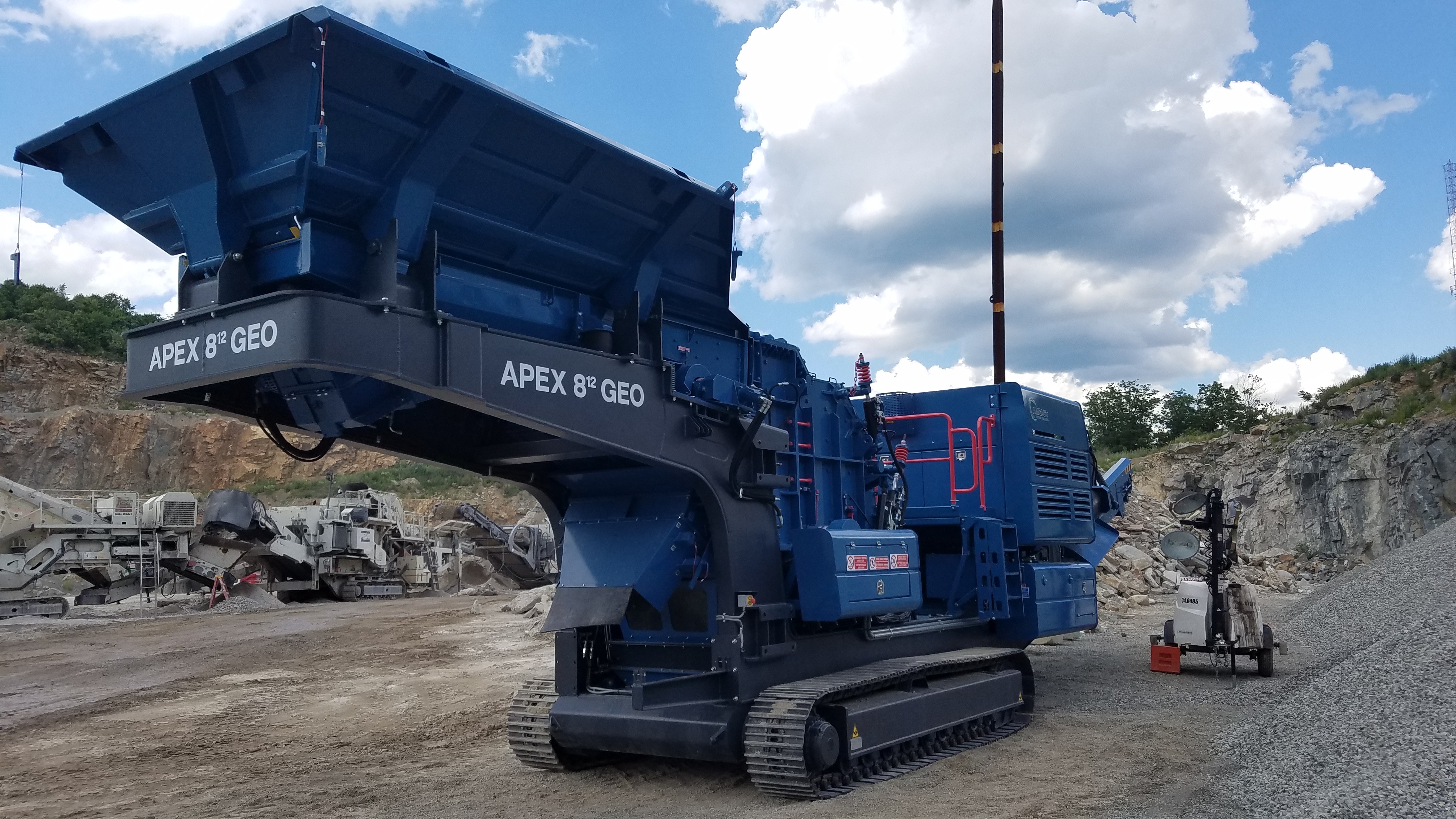
A practical mobile crusher maintenance guide: setup, feeding, dust control, daily inspections and wear part care for jaw, impact and cone crushers.
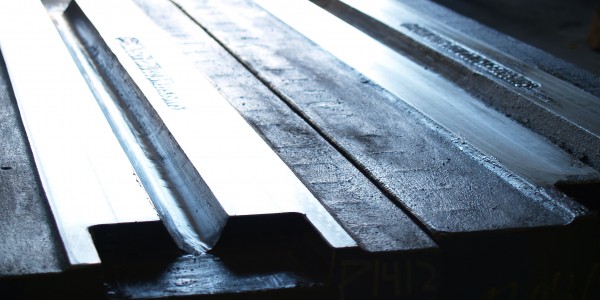
Martensitic, chrome white iron or ceramic-insert blow bars? How to match blow bar alloy to your feed material, tramp iron risk and impact crusher...

Cracked or broken blow bars? The most common causes, including tramp iron, wrong alloy, worn rotors and poor fit, and how to prevent them in your HSI...